




Advanced Surgical Oncology Care by Dr. Lovedeep Singh Chauhan
Squamous Cell Carcinoma (SCC) is one of the most prevalent malignancies affecting epithelial tissues of the body. It arises from squamous cells — the flat, scale-like cells that line the skin and multiple internal organs including the oral cavity, pharynx, larynx, esophagus, lungs, cervix, and anal canal. Although many cases are curable when diagnosed early, untreated or advanced SCC can behave aggressively, invading nearby tissues and spreading to lymph nodes or distant organs.
Effective management of Squamous Cell Carcinoma requires accurate diagnosis, precise staging, and individualized treatment planning. Under the care of Dr. Dr. Lovedeep Singh Chauhan at Max Super Speciality Hospital, Mohali, patients receive structured, evidence-based cancer treatment with a strong focus on oncological safety and functional preservation.
Understanding Squamous Cell Carcinoma
Squamous Cell Carcinoma develops when normal squamous epithelial cells accumulate genetic mutations that disrupt the normal regulation of cell growth and division. These mutations may result from environmental exposure, chronic irritation, viral infections, or carcinogenic substances such as tobacco.
Unlike some cancers that remain confined for long periods, SCC has the potential to infiltrate surrounding tissues and spread through lymphatic channels. Its biological behavior varies depending on location, tumor grade, immune status of the patient, and timeliness of intervention.
In regions where tobacco consumption is common, head and neck Squamous Cell Carcinoma represents a significant proportion of cancer burden. However, SCC of the skin, lungs, and esophagus also contributes substantially to morbidity and mortality worldwide.

Types of Squamous Cell Carcinoma
Although the microscopic appearance is similar, the clinical course and treatment differ depending on the anatomical site involved.
Cutaneous (Skin) Squamous Cell Carcinoma
Skin SCC is typically linked to prolonged ultraviolet radiation exposure. It often presents as a persistent scaly patch, ulcerated lesion, or nodular growth that does not heal.
While many cases are detected early and treated successfully with surgical excision, neglected lesions can invade deeper structures and metastasize to regional lymph nodes.
High-risk features include large tumor size, poor differentiation, perineural invasion, and immunosuppression.
Head and Neck Squamous Cell Carcinoma
Head and neck SCC includes malignancies of the oral cavity, tongue, buccal mucosa, floor of mouth, tonsils, pharynx, and larynx. This group is strongly associated with tobacco use, alcohol consumption, and in certain subtypes, HPV infection.
Patients may initially notice a non-healing ulcer in the mouth, difficulty swallowing, hoarseness of voice, restricted tongue movement, or a painless neck swelling.
Timely surgical management plays a crucial role in achieving disease control and improving survival outcomes.
Lung Squamous Cell Carcinoma
Lung SCC is a subtype of non-small cell lung cancer and is most commonly associated with long-term smoking. It frequently arises centrally within the bronchial tree.
Symptoms may include chronic cough, hemoptysis (blood in sputum), breathlessness, or chest discomfort.
Surgical resection remains the preferred treatment in early-stage disease, often combined with systemic therapy depending on stage.
Esophageal Squamous Cell Carcinoma
This malignancy affects the lining of the esophagus and commonly presents with progressive difficulty swallowing, first for solids and later for liquids.
Significant weight loss and nutritional compromise are common in advanced disease.
Treatment may involve a combination of chemotherapy, radiation, and surgery depending on stage and patient fitness.
Risk Factors and Causes
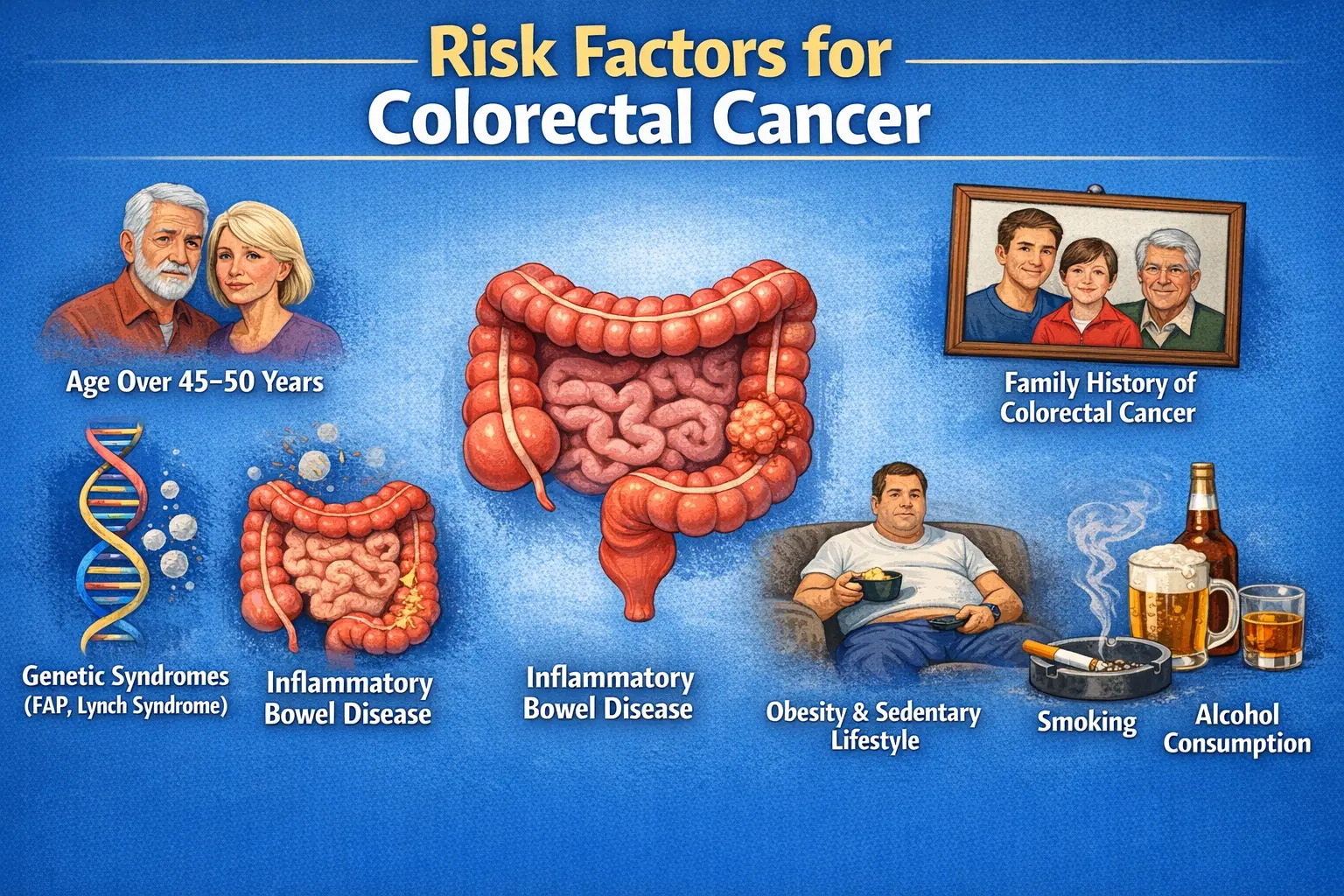
Squamous Cell Carcinoma develops due to cumulative genetic damage over time. Major contributing factors include chronic tobacco exposure (both smoked and smokeless forms), alcohol consumption, ultraviolet radiation, occupational carcinogens, chronic inflammation, immunosuppression, and viral infections such as HPV.
The synergistic effect of tobacco and alcohol dramatically increases the risk of head and neck SCC. Meanwhile, UV radiation is the principal risk factor for cutaneous SCC.
Understanding these risk factors allows for preventive strategies and early detection efforts.
Symptoms That Should Never Be Ignored
Early diagnosis significantly improves outcomes. Persistent symptoms lasting more than two to three weeks should be evaluated by a specialist.
A non-healing oral ulcer, unexplained neck swelling, difficulty swallowing, persistent hoarseness, chronic cough with blood-stained sputum, or a suspicious skin lesion warrants medical attention. Unfortunately, many patients delay consultation, allowing disease progression.
Early-stage SCC is often highly curable with appropriate treatment.
Diagnosis of Squamous Cell Carcinoma
Accurate diagnosis begins with detailed clinical evaluation followed by tissue confirmation.
A biopsy remains the gold standard for diagnosis. Histopathological examination determines tumor grade, depth of invasion, and other prognostic features.
Imaging modalities such as CT scans, MRI, PET-CT, or endoscopy help assess tumor extent and lymph node involvement. Proper staging is essential before planning definitive treatment.
Staging and Its Importance
Squamous Cell Carcinoma is staged using the TNM classification system, which evaluates tumor size (T), lymph node involvement (N), and distant metastasis (M).
Early-stage disease (Stage I or II) is usually confined locally and offers excellent chances of cure. Advanced stages (Stage III or IV) may require aggressive multimodal therapy including surgery, chemotherapy, and radiation.
Accurate staging ensures that treatment is neither inadequate nor unnecessarily excessive.
Treatment of Squamous Cell Carcinoma
Management depends on tumor site, stage, biological behavior, and patient factors. A multidisciplinary approach provides optimal results.
Surgical Management
Surgery remains the cornerstone of treatment for most localized Squamous Cell Carcinomas.
The primary goal is complete tumor removal with negative margins while preserving function wherever possible. In head and neck cancers, this may involve tumor excision along with selective or modified radical neck dissection if lymph nodes are involved.
For lung and esophageal SCC, anatomical resections such as lobectomy or esophagectomy may be required. Modern oncologic surgery emphasizes precision, functional rehabilitation, and reconstruction when needed.
Radiation Therapy
Radiation may be used as primary treatment in selected cases, especially when surgery is not feasible.
It is also commonly administered after surgery if high-risk pathological features are identified.
In certain head and neck cancers, concurrent chemoradiation offers organ preservation strategies.
Chemotherapy and Systemic Therapy
Chemotherapy may be administered before surgery (neoadjuvant), after surgery (adjuvant), or concurrently with radiation therapy.
In advanced or metastatic disease, systemic therapy helps control tumor progression and relieve symptoms.
Recent advances in targeted therapy and immunotherapy have expanded options for selected patients.
Importance of Multidisciplinary Care
Effective cancer treatment requires coordination between surgical oncologists, medical oncologists, radiation oncologists, radiologists, and pathologists.
At Max Super Speciality Hospital, Mohali, treatment planning is discussed in tumor board meetings to ensure individualized, evidence-based decisions tailored to each patient.
Expertise of Dr. Lovedeep Singh Chauhan
Dr. Lovedeep Singh Chauhan is a Consultant Surgical Oncologist with advanced training in complex cancer surgeries, including head and neck malignancies, gastrointestinal cancers, thoracic cancers, and minimally invasive oncologic procedures.
His academic training at Tata Memorial Hospital has provided exposure to high-volume, advanced cancer management. This experience translates into meticulous surgical technique, careful case selection, and adherence to global oncological standards.
Patients benefit from:
- Thorough diagnostic evaluation
- Honest discussion of treatment options
- Evidence-based surgical planning
- Focus on quality of life and long-term outcomes
- Structured post-treatment surveillance
Recovery and Follow-Up Care
Post-operative recovery varies based on the extent of surgery and tumor location. Rehabilitation may involve nutritional support, speech and swallowing therapy, respiratory exercises, and regular follow-up imaging.
Surveillance protocols are essential to detect recurrence early. Follow-up schedules are individualized based on stage and risk factors.
Prognosis of Squamous Cell Carcinoma
Prognosis depends on stage at diagnosis, lymph node involvement, tumor grade, and response to treatment.
When detected early and treated appropriately, Squamous Cell Carcinoma can be cured in a large proportion of patients. Advanced disease requires more intensive therapy but can still achieve meaningful control with coordinated care.
When to Seek Specialist Consultation
If you or a family member experiences persistent suspicious symptoms, early evaluation by a surgical oncologist can make a critical difference.
Delays in treatment often increase surgical complexity and reduce survival rates. Timely intervention allows for less extensive procedures and improved functional outcomes.
Conclusion
Squamous Cell Carcinoma is a potentially aggressive but often treatable cancer when managed appropriately. Early detection, accurate staging, and expert surgical intervention significantly improve outcomes.
With structured multidisciplinary planning and advanced oncologic expertise, Dr. Lovedeep Singh Chauhan provides comprehensive and patient-centered care aimed at achieving oncological safety while preserving function and quality of life.
Have a Question? Get In Touch


