
!-- HERO SECTION -->

Gastrointestinal Stromal Tumors (GISTs) Treatment in Mohali & Chandigarh

Dr. Lovedeep Singh Chauhan

By Dr. Lovedeep Singh Chauhan – Consultant Surgical Oncologist

Gastrointestinal Stromal Tumors (GISTs) are rare tumors of the digestive tract that require specialized diagnosis, mutation-based treatment planning, and precise surgical expertise. Unlike common stomach or intestinal cancers, GISTs behave differently and often respond better to targeted therapy rather than traditional chemotherapy.

This page provides a comprehensive, evidence-based overview of GIST — including causes, symptoms, diagnosis, staging, surgery, targeted therapy, follow-up care, and prognosis — along with information about expert surgical management by Dr. Lovedeep Singh Chauhan, Consultant Surgical Oncologist at Max Super Speciality Hospital.

What is a Gastrointestinal Stromal Tumor (GIST)?

Gastrointestinal Stromal Tumor (GIST) is a type of soft tissue sarcoma that arises from specialized pacemaker cells of the gastrointestinal tract known as the interstitial cells of Cajal. These cells regulate gut motility. When genetic mutations occur in these cells — most commonly in the KIT or PDGFRA genes — uncontrolled growth may result in a GIST.

GISTs most commonly occur in:

  • Stomach (60–70%)
  • Small intestine (20–30%)
  • Colon and rectum
  • Esophagus (rare)

Unlike adenocarcinomas of the stomach or colon, GISTs rarely spread to lymph nodes. Instead, they tend to spread to the liver or peritoneum.

Dr. Lovedeep Singh Chauhan

Understanding the Biology of GIST

The discovery of KIT (CD117) mutations revolutionized the understanding of GIST. Approximately 80–85% of GISTs have mutations in:

  • KIT gene
  • PDGFRA gene

These mutations activate growth pathways continuously, which is why targeted therapy (Imatinib) is highly effective in many patients.

Mutation testing is now a standard part of GIST management and directly influences treatment planning.

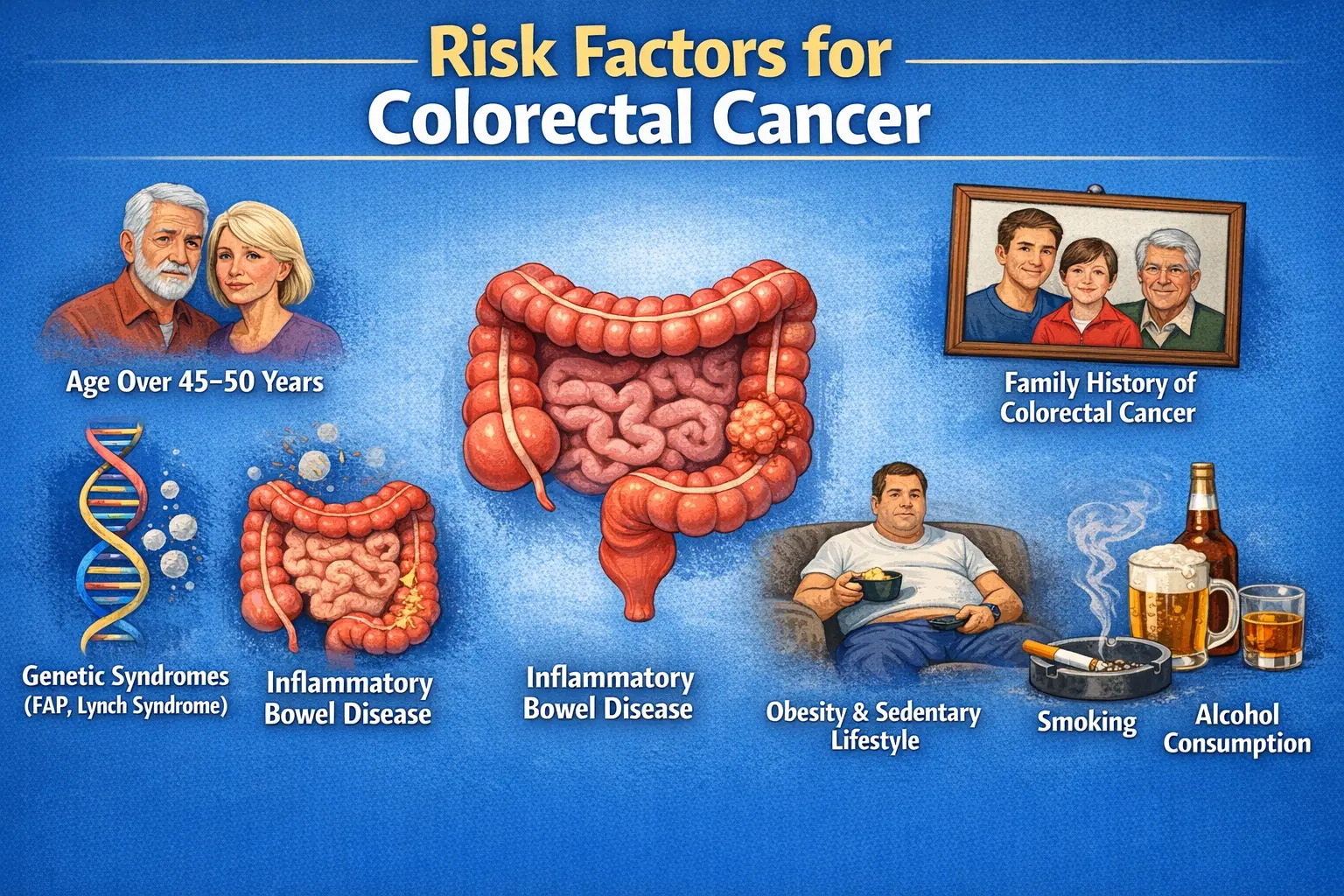
Causes and Risk Factors

In most cases, the exact cause of GIST is unknown.

Key facts:

  • Most GISTs are sporadic
  • Rare hereditary syndromes exist but are uncommon
  • Typically diagnosed in adults over 40 years
  • Not strongly linked to smoking, diet, or lifestyle

Because early tumors may not cause symptoms, many GISTs are detected incidentally during imaging or endoscopy for other conditions.

Symptoms of Gastrointestinal Stromal Tumor

Symptoms vary depending on tumor size and location.

Small tumors may be asymptomatic. Larger tumors may cause:

  • Abdominal pain or discomfort
  • Gastrointestinal bleeding
  • Black stools (melena)
  • Vomiting blood
  • Unexplained anemia
  • Fatigue
  • Early fullness after meals
  • Palpable abdominal mass

In rare cases, tumor rupture can cause acute abdominal pain and internal bleeding, which is a medical emergency.

Neuroendocrine Tumor Staging

How is GIST Diagnosed?

Accurate diagnosis is critical because treatment differs significantly from other gastrointestinal cancers.

1. Imaging Studies

Contrast-Enhanced CT Scan is the most important imaging test used to evaluate suspected GIST.

  • Tumor size
  • Location
  • Relationship to surrounding organs
  • Evidence of spread

MRI may be used in selected cases, especially rectal GIST. PET-CT is occasionally used in metastatic or complex cases.

2. Endoscopy

For stomach GIST, upper GI endoscopy may reveal a submucosal bulge.

  • Upper GI endoscopy helps visualize the lesion
  • Superficial biopsies may sometimes be inconclusive
  • Tumor often lies deeper within the wall
  • Endoscopic ultrasound (EUS) helps characterize the lesion
  • EUS can also help obtain tissue samples

Endoscopic ultrasound improves diagnostic accuracy for submucosal tumors.

3. Biopsy and Immunohistochemistry

A core needle biopsy or EUS-guided biopsy is required to confirm the diagnosis.

  • CD117 (KIT)
  • DOG1
  • CD34

Mutation analysis (KIT or PDGFRA) helps determine whether targeted therapy such as Imatinib will be effective.

Risk Stratification in GIST

Not all GISTs behave aggressively. Risk assessment depends on:

  • Tumor size
  • Mitotic rate (how fast tumor cells divide)
  • Tumor location
  • Presence of rupture

Small gastric GISTs often have excellent outcomes, while large small-intestinal GISTs with high mitotic rates carry a higher risk of recurrence. This risk classification guides decisions regarding adjuvant therapy.

Neuroendocrine Tumor Staging

Staging of Gastrointestinal Stromal Tumors

Unlike many cancers, lymph node spread is rare. Instead, GIST may spread to:

  • Liver
  • Peritoneum

Staging involves imaging to determine whether disease is localized or metastatic.

Treatment of Metastatic or Recurrent GIST

In advanced cases:

  • Long-term targeted therapy is standard
  • Surgery may be considered in selected cases
  • Second-line and third-line targeted drugs are available if resistance develops
  • A multidisciplinary tumor board approach is crucial in complex cases.

Follow-Up After GIST Treatment

GIST requires structured long-term follow-up.

Typical follow-up schedule:

  • CT scan every 3–6 months initially
  • Gradual spacing if stable
  • Long-term monitoring in high-risk cases

Early detection of recurrence allows timely intervention.

Prognosis of Gastrointestinal Stromal Tumor

Prognosis depends on:


Tumor size
Location
Mitotic index
Mutation type
Completeness of surgery

Small, low-risk gastric GISTs have excellent long-term survival. High-risk tumors require close monitoring but modern targeted therapy has significantly improved outcomes.


When Should You Consult a Surgical Oncologist?

Early specialist consultation improves surgical precision and long-term outcomes.

Incidental gastric or intestinal mass
Confirmed GIST diagnosis
GI bleeding with suspected submucosal tumor
Large abdominal mass
Before starting targeted therapy
For second opinion

Expert GIST Treatment by Dr. Lovedeep Singh Chauhan

Lovedeep Singh Chauhan is a Consultant Surgical Oncologist at Max Super Speciality Hospital, with advanced training in gastrointestinal and minimally invasive cancer surgery.

With experience in complex abdominal oncology procedures and evidence-based cancer management, Dr. Chauhan provides comprehensive care including:

  • Evaluation and staging of suspected GIST
  • Multidisciplinary treatment planning
  • Laparoscopic and open GIST surgery
  • Neoadjuvant and adjuvant therapy coordination
  • Management of advanced and recurrent GIST
  • Structured long-term follow-up

Training at premier oncology institutions has enabled him to combine surgical precision with mutation-guided therapy planning for optimal patient outcomes.

Why Choose Specialized GIST Care?

GIST management is different from routine stomach or intestinal cancer treatment. It requires:

  • Expertise in sarcoma biology
  • Understanding of mutation-driven therapy
  • Careful surgical technique to avoid rupture
  • Personalized risk-based follow-up

Choosing an experienced surgical oncologist ensures accurate diagnosis, correct treatment sequencing, and better long-term outcomes.

Frequently Asked Questions

Yes, GIST is a type of soft tissue sarcoma. Some are low-risk, but all require proper evaluation.

Localized GIST can often be cured with complete surgery. High-risk tumors may require long-term medication.

Traditional chemotherapy is generally ineffective. Targeted therapy is the main medical treatment.

Yes, in selected cases, minimally invasive surgery is safe and effective.

High-risk patients may take it for 3 years or longer depending on individual factors.

Have a Question? Get In Touch

whatsapp-mobi
h-call
  • Book An Appointment